At the core of many critical geosynthetic solutions lies a manufacturing marvel: the Spunbond Calendering process. This advanced method transforms raw polymer into the robust, consistent nonwoven geotextiles essential for separation, filtration, and drainage in civil and environmental engineering.
The Spunbond Calendering Process: A Step-by-Step Journey
Polymer Melting & Extrusion: The process begins with high-quality polypropylene (PP) or polyester (PET) granules. These are melted and precisely extruded through spinnerets to form a curtain of thousands of continuous, fine filaments.
Web Formation: These endless filaments are laid down randomly onto a moving conveyor, creating a delicate, uniform, and airy web. This random arrangement is key to the fabric's isotropic (equal in all directions) properties.
The Heart of the Process - Calendering: The web then passes through the critical stage. It is fed between a pair of heated, heavy steel rollers (calenders). Under controlled high temperature and pressure, the filaments are thermally bonded at their crossover points—no adhesives or chemicals are used. This fuses the web into a coherent fabric.
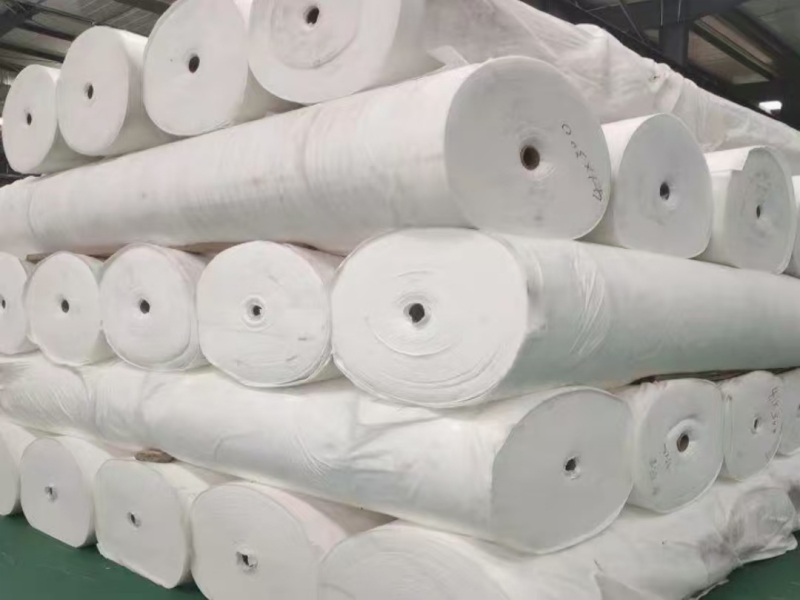
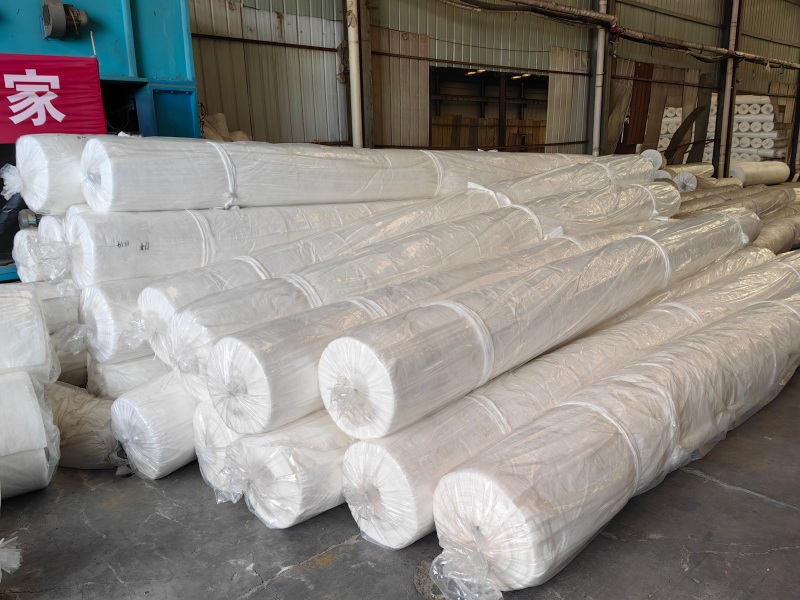
Winding & Finishing: The now-strong, thin sheet is cooled, trimmed, and wound into large, consistent rolls ready for shipment.
Why This Process Delivers Superior Performance
The Spunbond Calendering process is engineered for quality:
Uniformity & Consistency: Automated controls ensure every meter of fabric has identical thickness, weight, and mechanical properties, vital for predictable project performance.
Smooth Surface & Controlled Porosity: The calendering creates a relatively smooth surface ideal for planar drainage, while the random filament structure provides a consistent pore size for excellent filtration.
High Tensile Strength: The continuous filaments and thermal bonds result in a fabric with high tensile strength relative to its weight.
Durability: The pure polymer construction offers inherent resistance to rot, mildew, and most chemicals.
Primary Applications of Spunbond Calendered Geotextiles
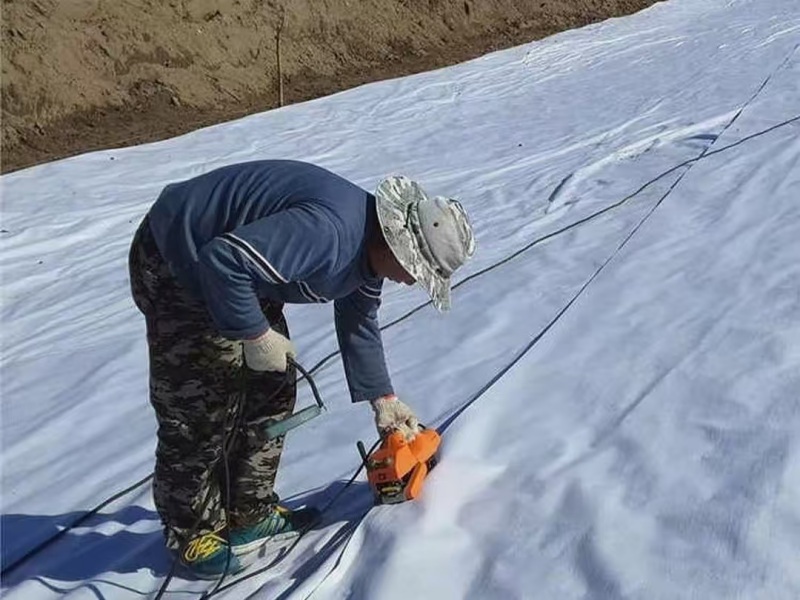
This process creates the ideal fabric for applications requiring reliable separation and filtration:
Road & Railway Base Stabilization: Preventing intermixing of subsoil and aggregate.
Landfill Drainage Layers: Conveying leachate while protecting geomembranes.
Beneath Hardscapes & Retaining Walls: Separating soil from aggregate base and providing drainage.
As a Protective Cushion: Safeguarding geomembranes from puncture.
Conclusion
The Mark of Engineered Precision
Choosing a geotextile manufactured via the Spunbond Calendering process means selecting a product of engineered precision and reliability. It represents a commitment to quality that ensures long-term stability and success for your infrastructure projects. At Nuokun Geo, we've mastered this process over two decades, delivering geotextiles that form the dependable foundation the modern world is built upon.
Discover the Nuokun Geo difference in geotextile manufacturing.