What is an Erosion Control Blanket?
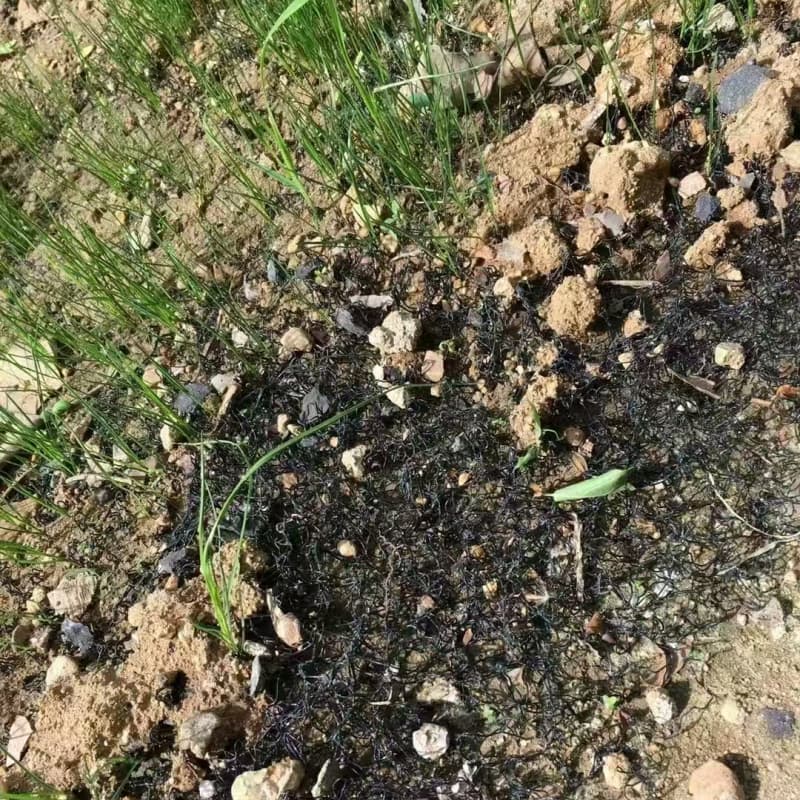
An Erosion Control Blanket, internationally known as an Erosion Control Blanket (ECB) or Rolled Erosion Control Product (RECP), is a prefabricated, roll-type product. It is typically made from natural or synthetic fibers through processes like needle-punching or weaving. Laid on the soil surface, it resists wind and water erosion and creates an ideal environment for seed germination and plant growth.
.
Three Main Types for Different Scenarios
Based on material and function, ECBs are primarily categorized into three types:
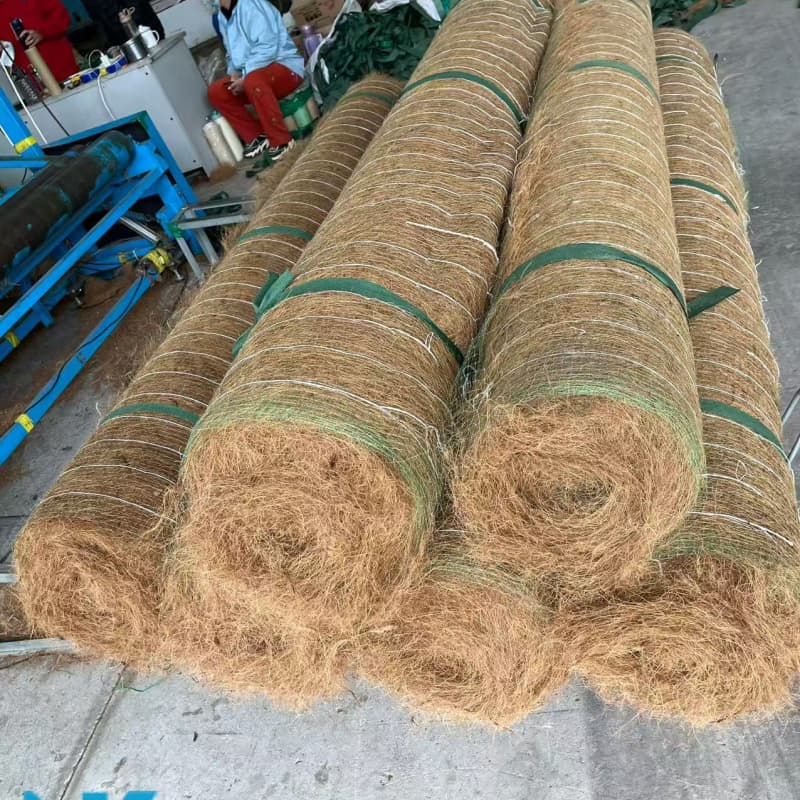
Natural & Biodegradable Type (e.g., Coir Mat, Straw Mat)
Material: Coconut fiber (Coir), Straw, Jute, etc.
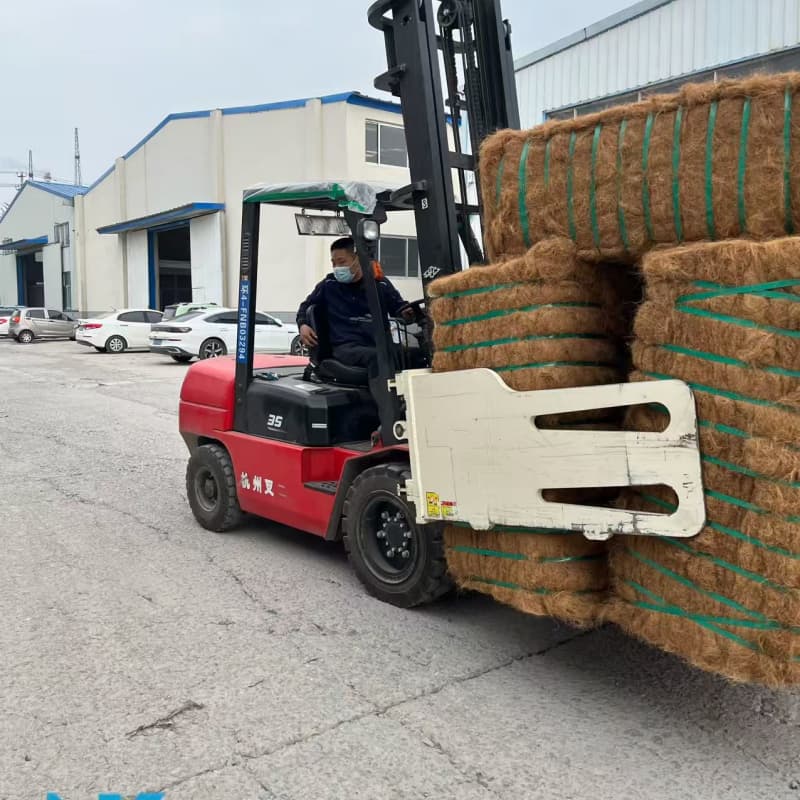
Core Advantage: 100% Eco-friendly, Naturally Biodegradable. Decomposes into humus over 2-5 years, enriching the soil. Coir mats offer excellent water retention and strength; straw mats are cost-effective.
Best For: Ecological slope protection, riverbank/coastline restoration, mine reclamation, agricultural moisture retention—projects focused on permanent ecological recovery.
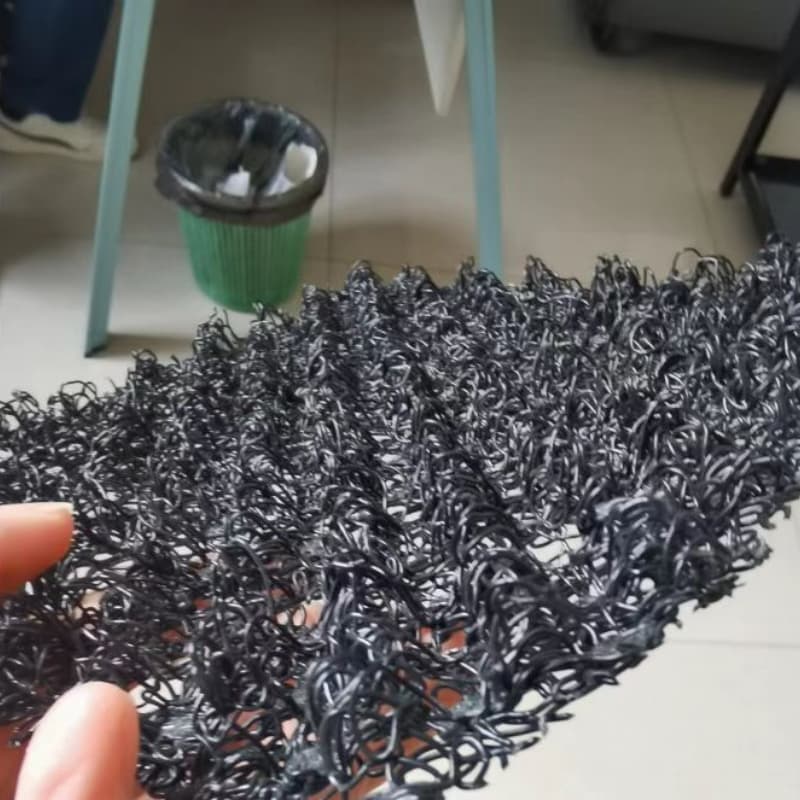
Synthetic Reinforcement Type (e.g., PP/PE Fiber Mat)
Material: Polymer fibers like Polypropylene (PP) or Polyester (PET).
Core Advantage: High Strength, Long Lifespan, Erosion-Resistant. Provides superior immediate erosion control, capable of withstanding greater hydraulic stress and soil forces.
Best For: Steep slopes, drainage channels, temporary or semi-permanent protection for large-scale projects, and critical areas requiring high tensile strength.
Composite Enhanced Type (Natural Fiber + Synthetic Mesh)
Material: Composite of natural fibers (Coir/Straw) and PP/PE mesh
Core Advantage: Combines Strengths, Balanced Performance. Natural fibers provide water retention and bio-compatibility; the synthetic mesh adds extra tensile strength and stability.
Best For: Steeper ecological slopes (≤60°), loose soil repair areas, addressing needs for both rapid greening and engineering stability.
Five Irreplaceable Core Values of Erosion Control Blankets
Immediate Protection, Instant Results:
Forms a physical barrier upon installation, effectively intercepting raindrop impact, slowing surface runoff, and preventing soil particle loss.
Water Retention & Moisture Enhancement:
Especially natural fiber mats absorb and retain water like a sponge, creating a moist microenvironment for seed germination and seedling growth, significantly improving vegetation survival rates.
Soil Reinforcement & Root Synergy:
Plant roots grow through the mat, intertwining with the fiber network to form a robust "mat-root composite," greatly enhancing surface soil shear strength.
Ecological Compatibility & Sustainability:
Biodegradable types leave no environmental trace; synthetic types combine with vegetation for long-term protection, reducing reliance on hard structures like concrete.
Easy Installation & Cost-Effectiveness:
Lightweight rolls allow for manual installation, adapting to complex terrain, greatly saving on machinery costs and construction time, offering high overall value.
Typical Application Scenarios
Highway/Railway Slopes:
Prevents surface erosion from rainwater, combining engineering protection with landscaping.
Ecological Riverbanks & Coastlines:
Buffers wave and current impact, promotes establishment of aquatic and riparian plants, restoring natural shoreline function.
Mine & Tailings Pond Reclamation:
Covers barren substrates to quickly establish initial vegetation, controlling dust and erosion, initiating ecological succession.
Municipal Landscaping & Green Roofs:
Used on gentle park slopes or as a green roof base layer, meeting requirements for soil/water retention and lightweight design.
Agriculture & Arid Land Management: Used on newly cultivated land, terrace edges, reducing irrigation water evaporation and soil nutrient loss.
Selection & Installation Key Points
Choose the appropriate type (biodegradable vs. durable) and weight based on slope gradient, flow velocity, design life, and ecological requirements.
Ensure the ground is leveled and compacted before installation. Lay mats from top to bottom of the slope with adequate overlap, and secure with proper anchors (wooden stakes, U-pins, etc.).
Sow seeds promptly or choose pre-seeded blankets, and ensure adequate initial watering.
Conclusion
The Erosion Control Blanket is far more than simple ground cover; it is an active ecological engineering tool based on natural or biomimetic principles. In the context of addressing climate change and promoting sustainable development, the scientific application of ECBs means we are not only controlling erosion but also healing the earth's wounds and nurturing the green vitality of the future.
Looking for the Best Solution for Your Next Ecological Restoration Project?
With over 20 years of expertise, Nuokun Geo provides a full range of high-performance Erosion Control Blankets that meet international standards. From coir and straw to synthetic reinforced products, we offer technical selection support and reliable supply to global clients.