For modern construction projects, to use the right building materials is very important, cause buildings require excellent thermal performance--Once the insulation cannot be guaranteed, it may greatly increase energy consumption and operational costs. The sandwich panel—it is usually composed with two metal sheets with insulated core material in between. As is known to all, the sandwich panel is the perfect building material for thermal insulation—so it gives the best insulation performance with structural strength at the same time.
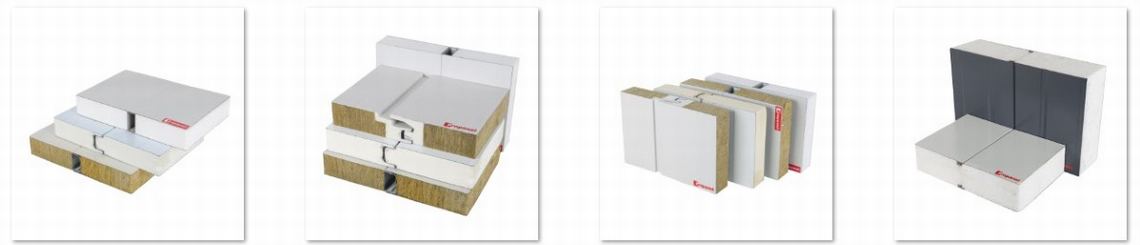
First of all, There are 3 core material of sandwich panel: EPS, rock wool, and PU—each have unique advantages for specific applications. EPS panels provide cost-effective insulation for warehouses and cold storage. Rock wool panels offer superior fire resistance for industrial plants and commercial buildings. PU panels gives the highest thermal efficiency for temperature-sensitive environments. Propanel, just focus on supplying all types of sandwich panels, gives customers the best solution also professional advice at the same time.
Secondly, each core material provides different levels of insulation effectiveness and additional advantages:
|
Core Material |
Thermal Conductivity |
Key Advantages |
Best Applications |
|
EPS |
0.032-0.038 W/m·K |
Lightweight, Cost-effective |
Warehouses, Distribution Centers |
|
Rock Wool |
0.035-0.042 W/m·K |
Fire-resistant, Sound-absorbing |
Industrial Plants, Public Buildings |
|
PU |
0.022-0.024 W/m·K |
High efficiency, Best thermal insulation |
Cold Storage, Pharmaceutical Facilities |
The low thermal conductivity values—especially PU's exceptional performance—directly translate to reduced heating and cooling costs, preventing energy loss through walls and roofs.
Thirdly, good installation also ensures insulation - if panels are installed incorrectly - gaps can form - which can lead to the development of cold bridges. Professional installation according to Propanel specifications is important to achieve the advertised R-value and energy savings.